How to Choose an MTB Jersey: A UK Rider’s Guide
The wrong jersey turns a good ride into a long one. Too hot on the climbs, clinging when you sweat, snagging on your pack, or worn through after a season. The right one you forget you are wearing, which is exactly the point. This guide walks through what actually matters when choosing an MTB jersey, so you buy once and ride happy.
MTB jersey or road cycling jersey, what is the difference
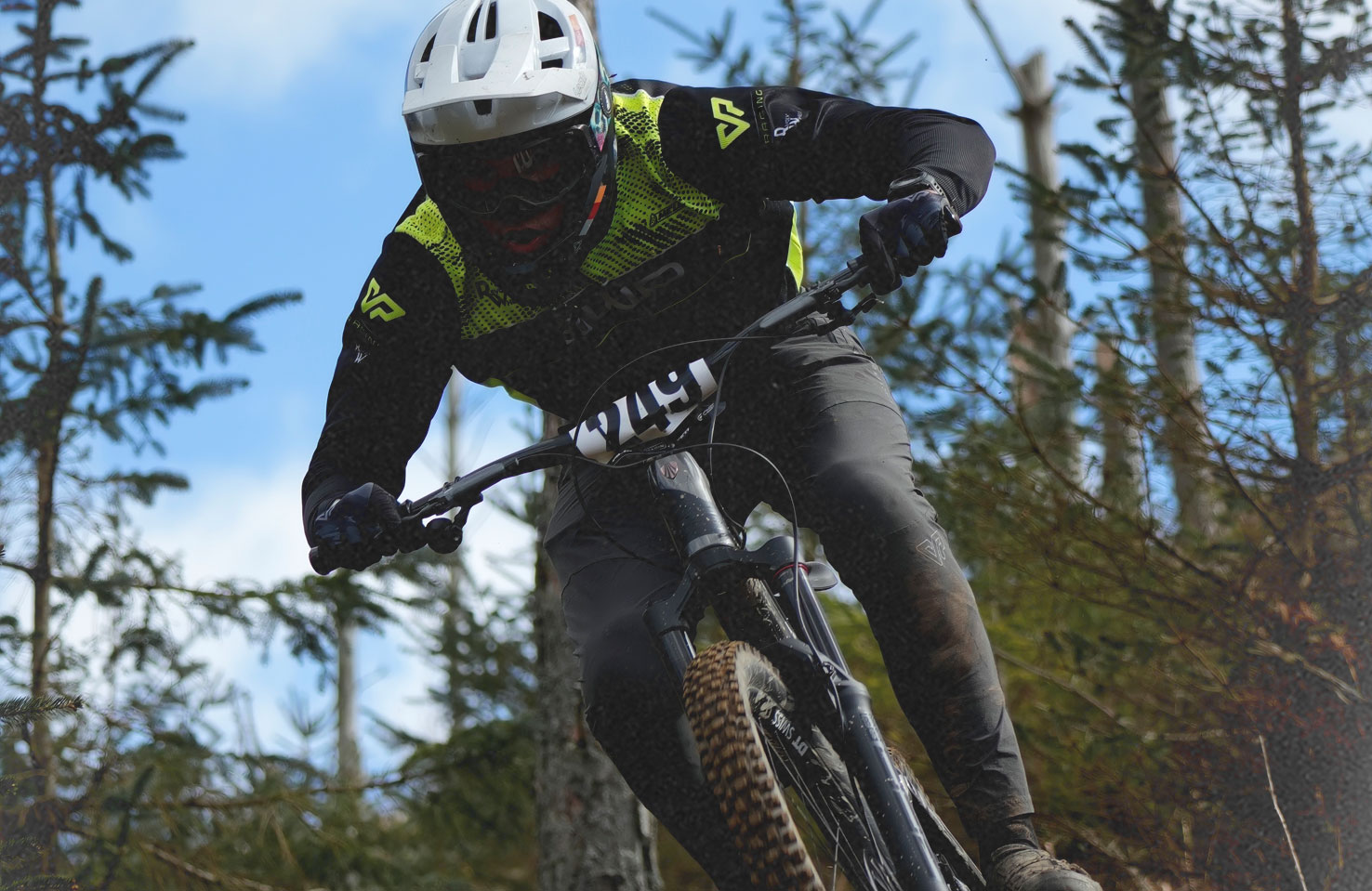
They are not the same, and it matters. A road jersey is cut tight and aero, with a low front, high back and rear pockets for a head-down riding position. An MTB jersey is built for a more upright, dynamic position and for taking a few knocks. The fit is relaxed, the fabric is tougher, and there are no rear pockets digging in under a hydration pack. If you ride trails, buy a trail jersey. A road jersey will fight you on every descent.
Fabric and breathability
This is the part that decides whether you enjoy the ride. Look for a lightweight, technical fabric that wicks moisture and dries fast, rather than cotton, which soaks up sweat and stays wet. Good MTB fabric moves heat and moisture away from your skin so you stay drier on the climbs and less chilled on the way back down.
For hard efforts and warm days, breathability is everything. Our jerseys are built around lightweight, moisture-wicking performance fabric for exactly this reason, controlling temperature through climbs, descents and long days in the saddle.
Fit, relaxed but not baggy
MTB fit should give you freedom of movement without flapping around or catching on your saddle. You want room to move through the shoulders and arms, a length that stays put when you are off the back of the bike, and a clean silhouette that does not balloon at speed.
One thing r
iders forget: body armour. If you wear a back protector or pads, size up. A jersey that fits perfectly bare will be tight over armour, so factor that in before you order. Our size guides list chest and length measurements for every size to take the guesswork out.
Sleeve length, short or long
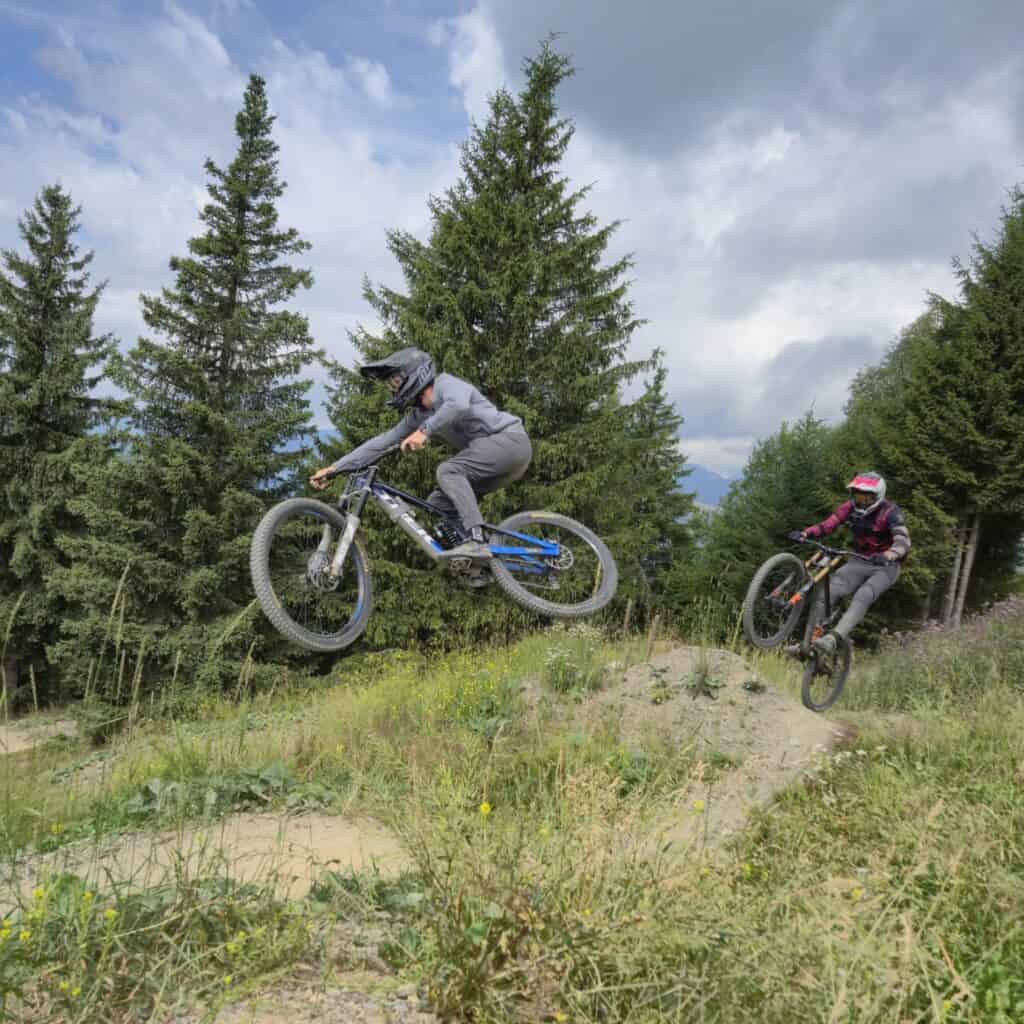
Short sleeve suits hot days, climbing-heavy rides and summer trail centres. Long sleeve gives you light coverage from sun, branches, trail spray and the odd crash, which is why many enduro and downhill riders run long sleeves year round even in warmer weather. Neither is right or wrong, it comes down to your riding and the conditions. Plenty of riders keep one of each.
Durability and graphics
Trail riding is hard on kit. Brambles, crashes, repeated washing. A jersey worth buying uses durable, fade-resistant graphics and stitching that survives a full season and more. Cheap printed jerseys crack and fade fast. Look for fabric and print built to last, so the kit still looks sharp after months of use, not just out of the bag.
Sustainability, worth asking about
More riders are choosing kit with a lower impact, and rightly so. We use ethically sourced, PeTA-approved cotton in our tees and recyclable packaging, and our softshell jackets are made from 100 percent recycled materials. If the environment matters to you, check what a brand actually does rather than what it claims.
Quick picks by riding style
To make it simple, here is where to start depending on how you ride.
All-round trail riding. A do-everything long-sleeve jersey in a fabric that handles climbs and descents. Look at the Shadow Strike or Woodland Surge.
Race day and statement kit. The OiOi range, designed with Ben Deakin, for riders who want full performance and a look that stands out. The OiOi Dark Ops for understated, the OiOi Redline for bold.
Hot days and quick laps. A lightweight technical tee that breathes hard when the pace is high. Browse our MTB t-shirts.
Women riders. A proper women’s cut rather than a smaller men’s jersey. See the Womens MTB range.
Getting the size right
When you have picked a jersey, check the size guide on the product page before you order. Measure around the fullest part of your chest with the tape flat across your back, and remember to size up if you ride in body armour. Getting this right first time saves a return and gets you on the trail sooner.
Frequently asked questions
How should an MTB jersey fit? Relaxed enough to move freely through the shoulders and arms, long enough to stay put when you are off the back of the bike, but not so loose it flaps or snags. If you wear body armour, size up.
Are long sleeve or short sleeve MTB jerseys better? Short sleeve is cooler for hot days and climbing. Long sleeve adds light protection from sun, branches, spray and crashes, which is why many enduro and downhill riders prefer it year round. Choose based on your riding and conditions.
What should I wear under an MTB jersey? A technical base layer in summer helps wick sweat and keeps you drier. In colder months a warmer base layer under your jersey lets you regulate temperature on long climbs and fast descents.
Can I use a road cycling jersey for mountain biking? You can, but it is not ideal. Road jerseys are tight, aero and cut for a head-down position, with rear pockets that dig in under a pack. An MTB jersey gives you a better fit, tougher fabric and more freedom of movement on the trail.
How do I stop my MTB jersey wearing out? Buy quality fabric and fade-resistant graphics, wash cool, and avoid the tumble dryer. Good kit lasts seasons. Cheap printed jerseys crack and fade quickly.
Ready to gear up
The best MTB jersey is the one you forget you are wearing, breatha ble, well fitted and built to last. Get those three right and the rest is detail.
Shop the full Winch & Plummet MTB jersey range and find your fit for the season ahead.